Funerary Tradition in the Prehistory of Sardinia
The Domus de Janas
UNESCO World Heritage Site
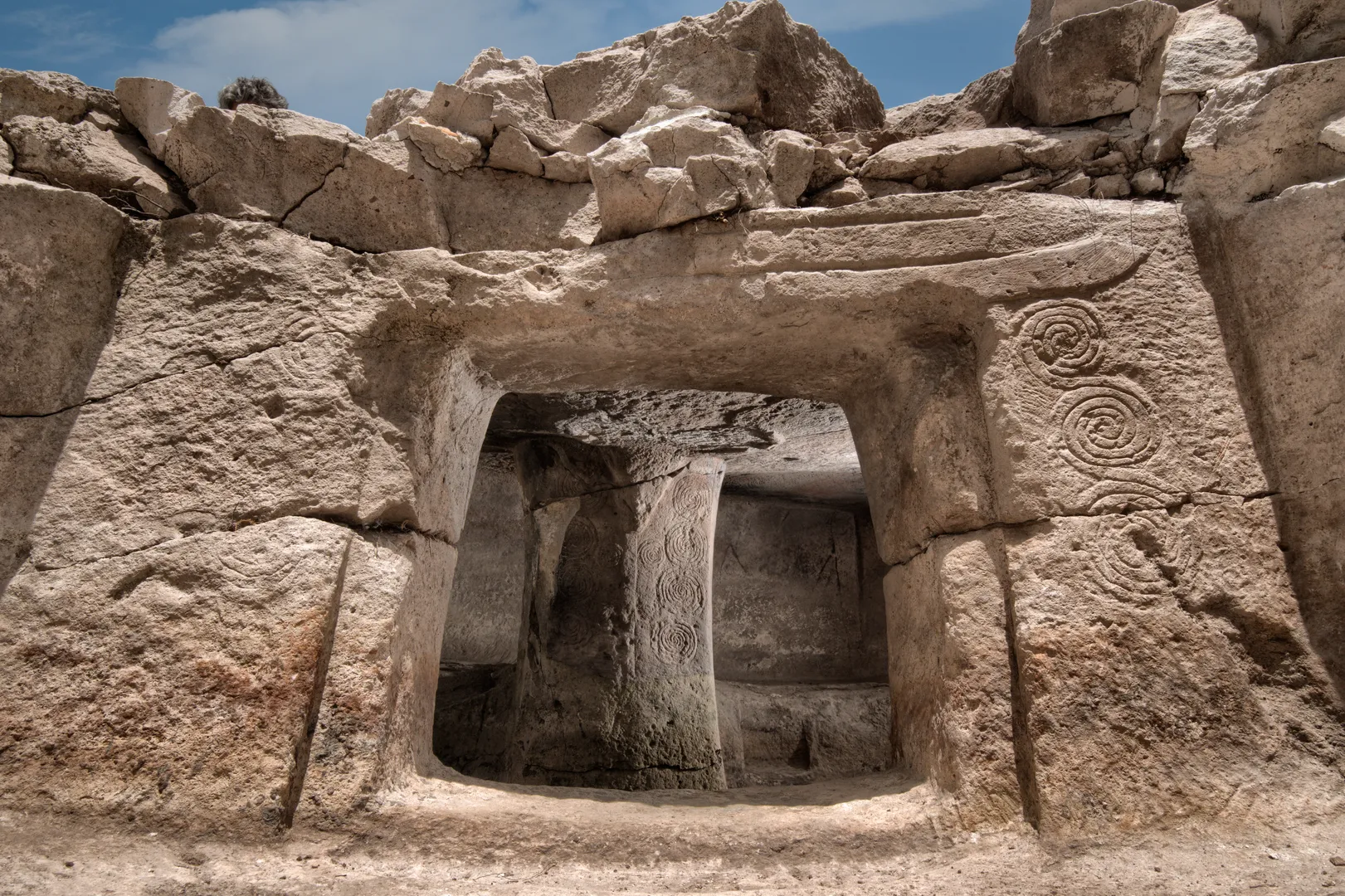
A Millennial Heritage on the Path to World Recognition
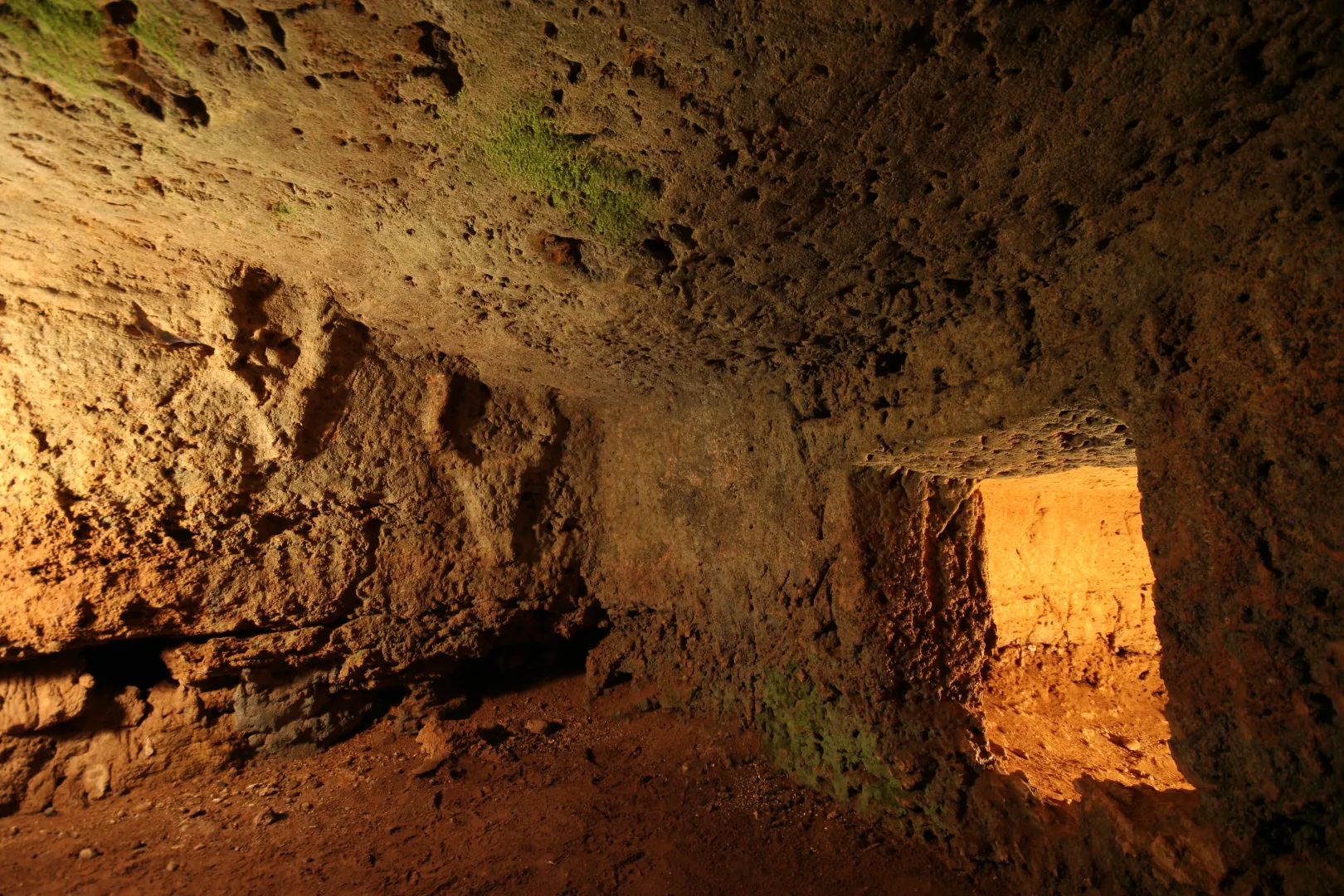
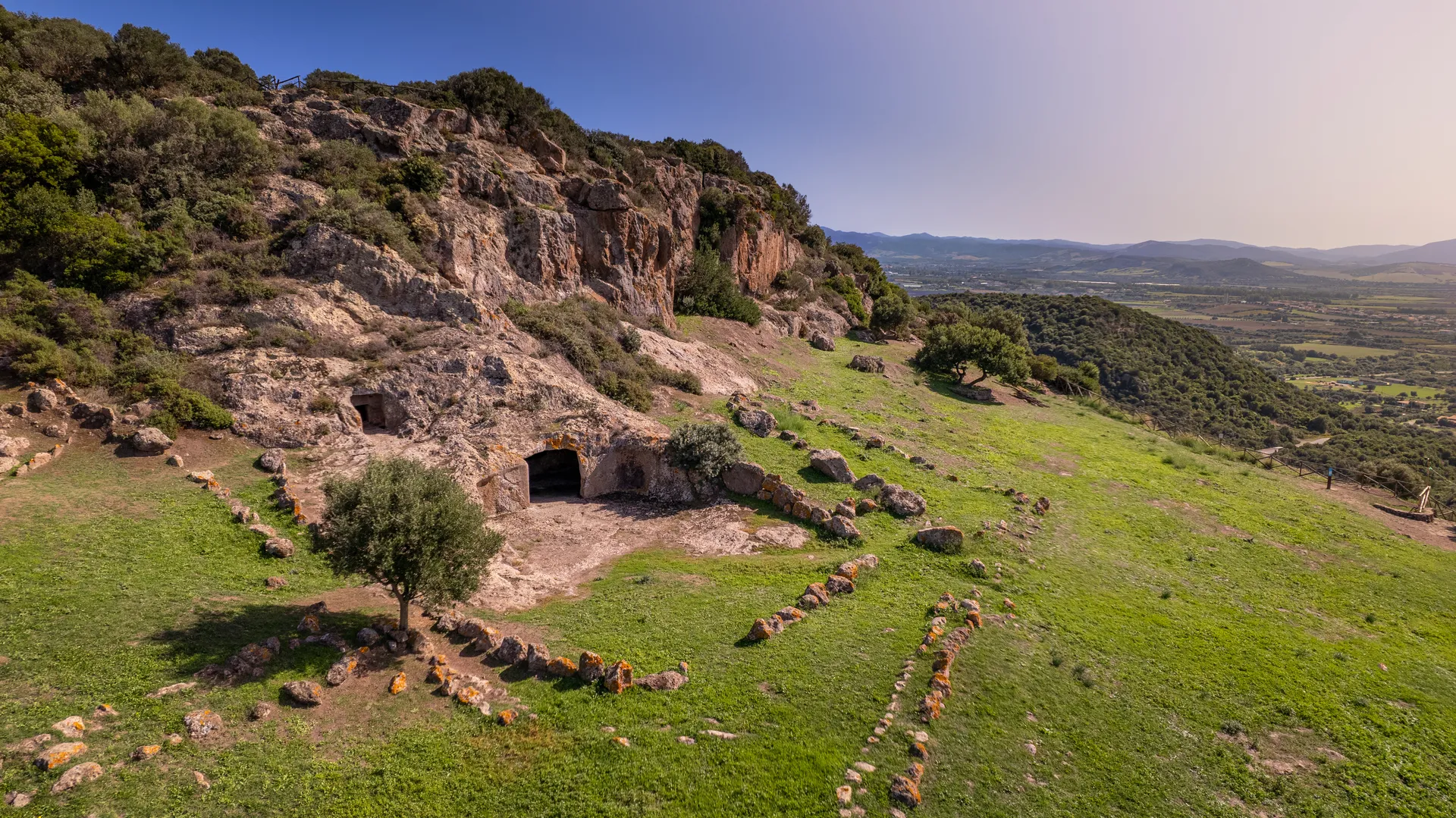
Among rocks sculpted by time, Sardinia preserves one of the most extraordinary archaeological treasures of the Mediterranean. The Domus de Janas, ancient tombs carved into the rock between the Middle Neolithic and the Copper Age (5th-3rd millennium BC), tell stories of rituals, myths, and millenary communities.
This treasure, now part of the UNESCO World Heritage, celebrates Sardinia as a crossroads of cultures and guardian of timeless memories.
Through this portal, you can explore the 17 archaeological monuments included in the UNESCO World Heritage List, uncover their stories, and embark on a journey that unites memory and future. Because safeguarding the past means giving strength to tomorrow.
The Domus de Janas: a Unique Heritage in the World
Sardinia is a land like no other, where every stone holds traces of a history that stretches back more than 6,000 years. Emerging within this ancient landscape are the Domus de Janas, extraordinary rock-cut hypogean tombs carved between the Late Neolithic and the Eneolithic (around 3400-2500 BC). Scattered across hundreds of sites throughout the island, they represent a phenomenon unparalleled in the western Mediterranean: an entire underground architecture devoted to the cult of the dead, shaped in the likeness of the dwellings of the time.
Within these spaces, carved details reveal the imagination of ancient communities: sculpted doors symbolizing the passage between life and afterlife, bull protomes linked to fertility and regeneration, geometric motifs and spirals, traces of red pigments, and ritual engravings. The Domus de Janas are not merely tombs, but true “stone narratives” that reflect the religious thought, artistic sensibility, and social organization of the island's earliest inhabitants. Even today, their widespread presence conveys a sense of continuity and belonging, keeping alive one of the most precious prehistoric legacies of the Mediterranean.
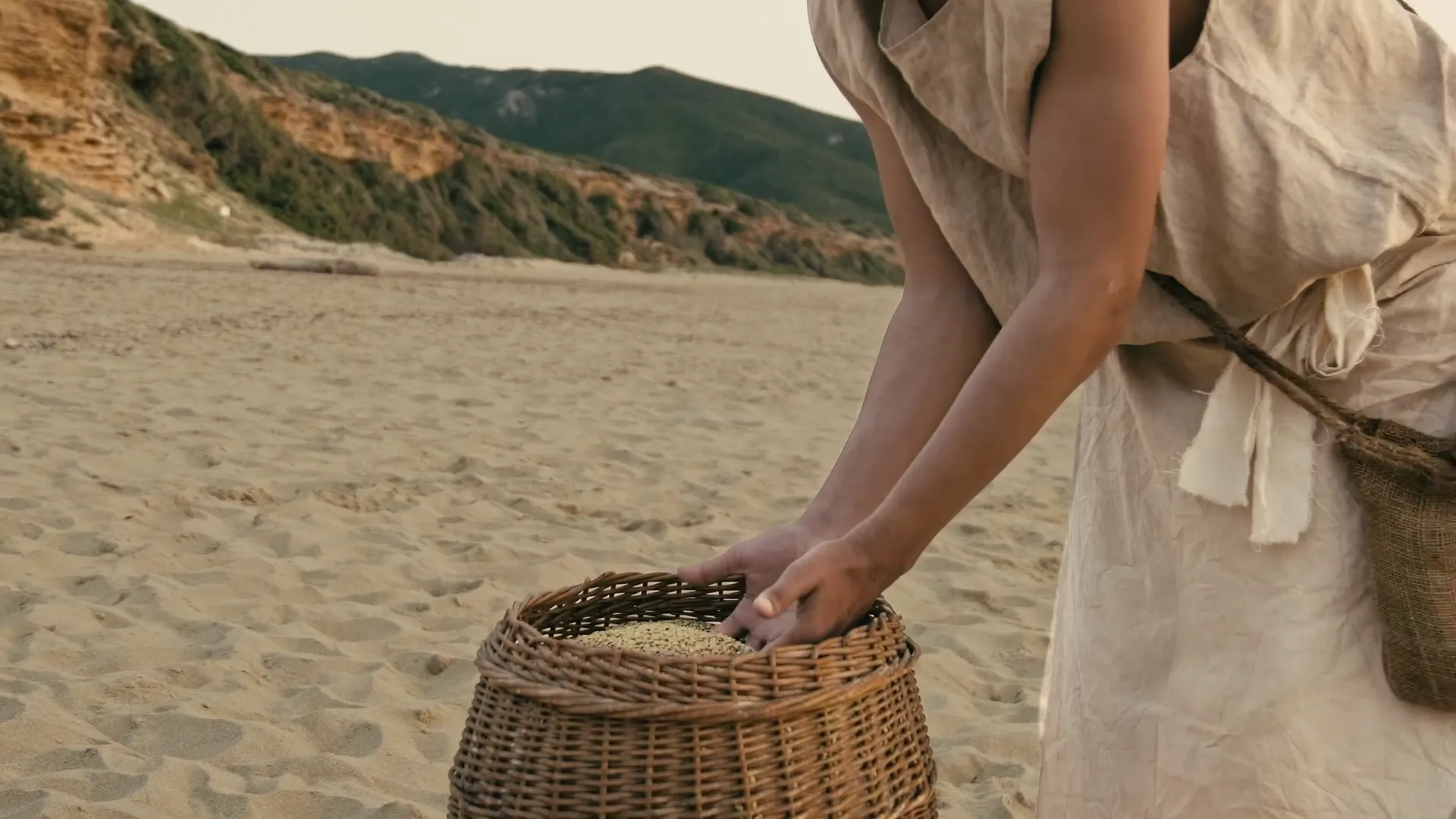
Le Domus de Janas — UNESCO Official Spot
Heritage Monuments
Among hills, valleys, and rocks sculpted by time, Sardinia preserves places where myth and history intertwine. Seventeen archaeological monuments tell the story of the island's ancient communities and are today recognized as UNESCO World Heritage.
Each site is a window onto a distant past, an invitation to discover the island's deepest roots.
Necropolis of Anghelu Ruju
The largest pre-Nuragic necropolis in Sardinia, with 38 tombs carved into the rock. Symbol of the deep bond between Neolithic communities and the cult of the dead.
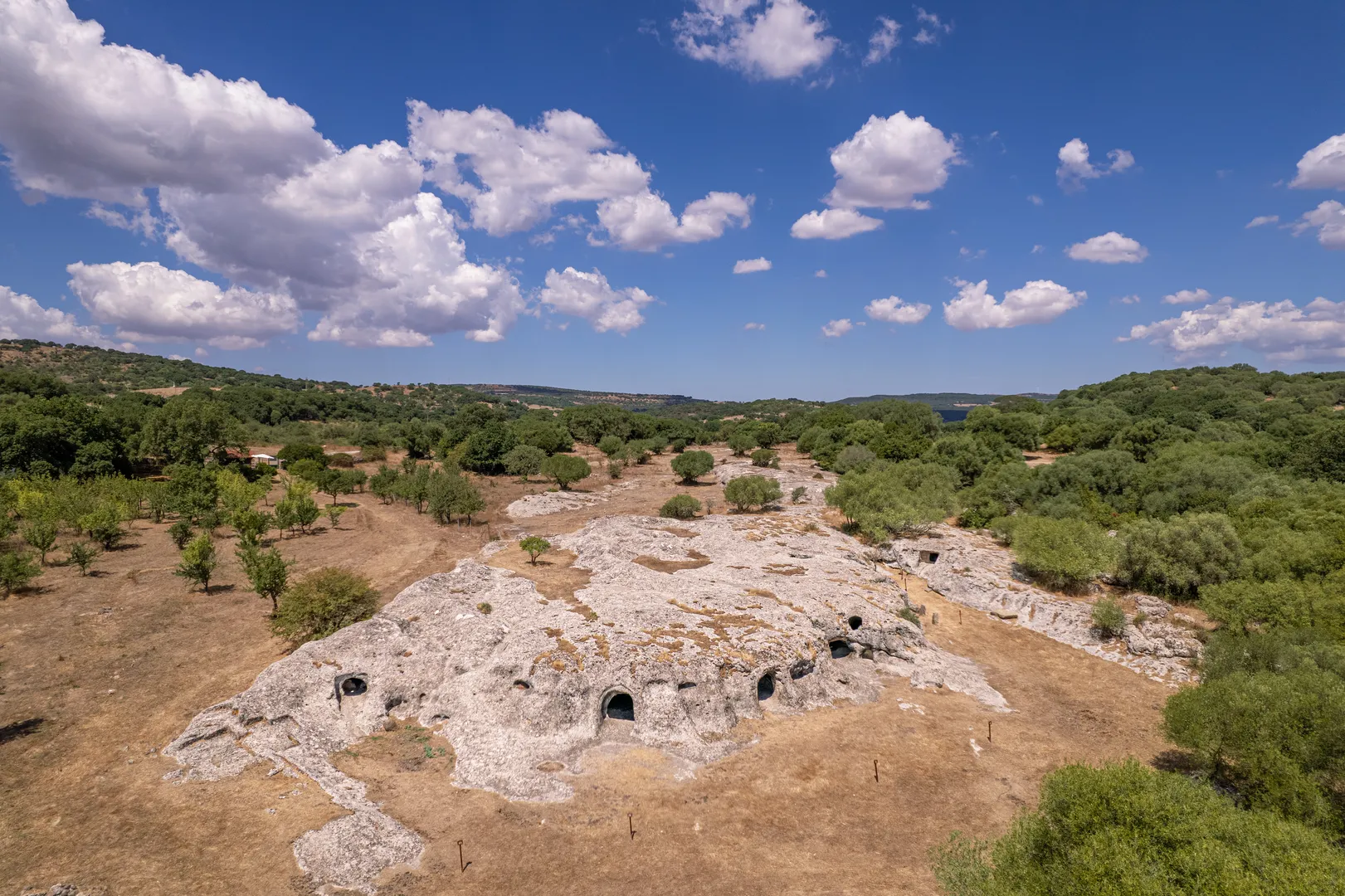
Necropolis of Puttu Codinu
Nine hypogeic tombs nestled among the hills of Monte Minerva. Testimony of the collective rituals of Neolithic communities.
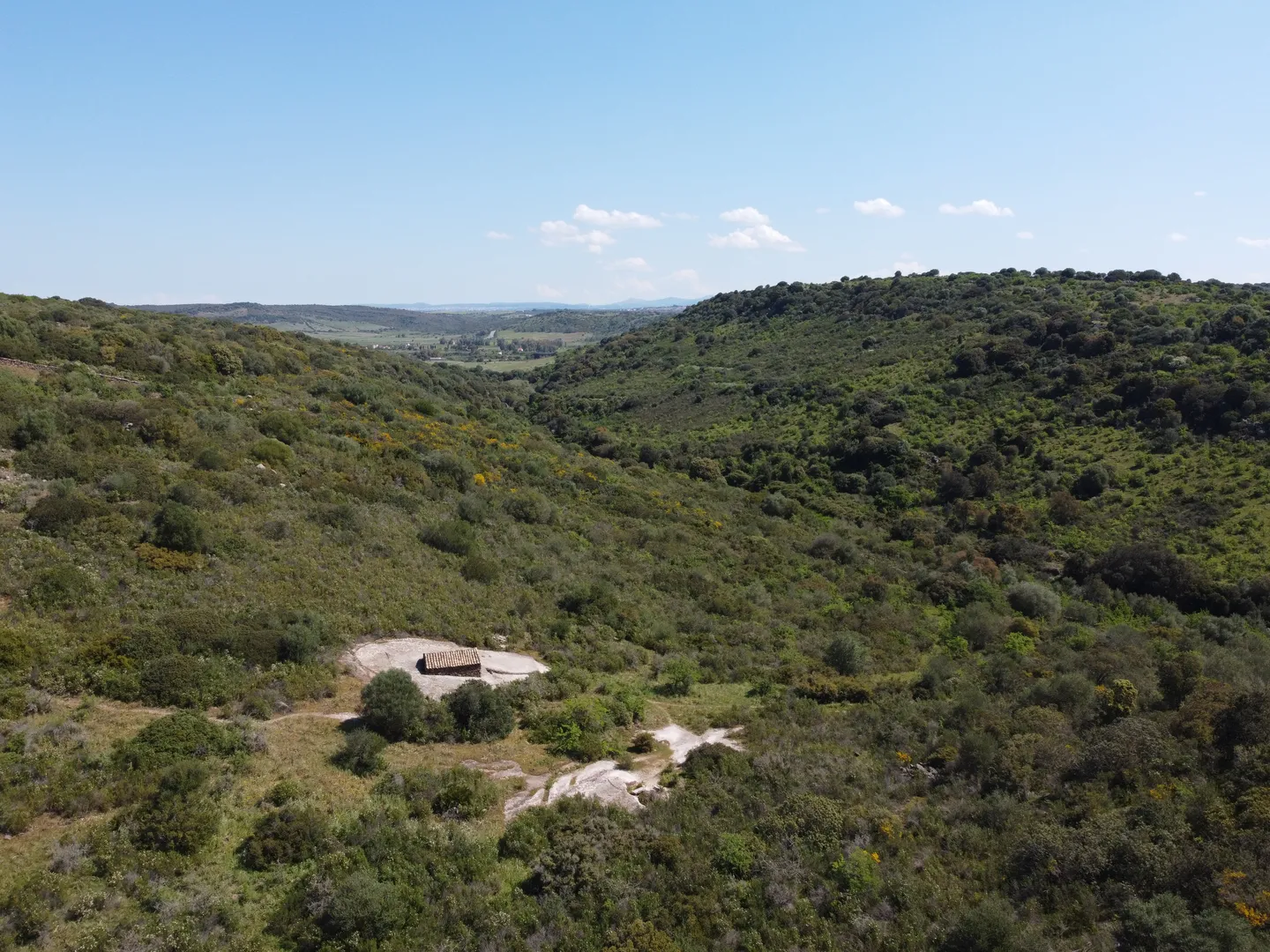
Necropolis of Monte Siseri or S'Incantu
Domus de janas famous for their refined interior decorations, symbols of a deep cult of the dead.
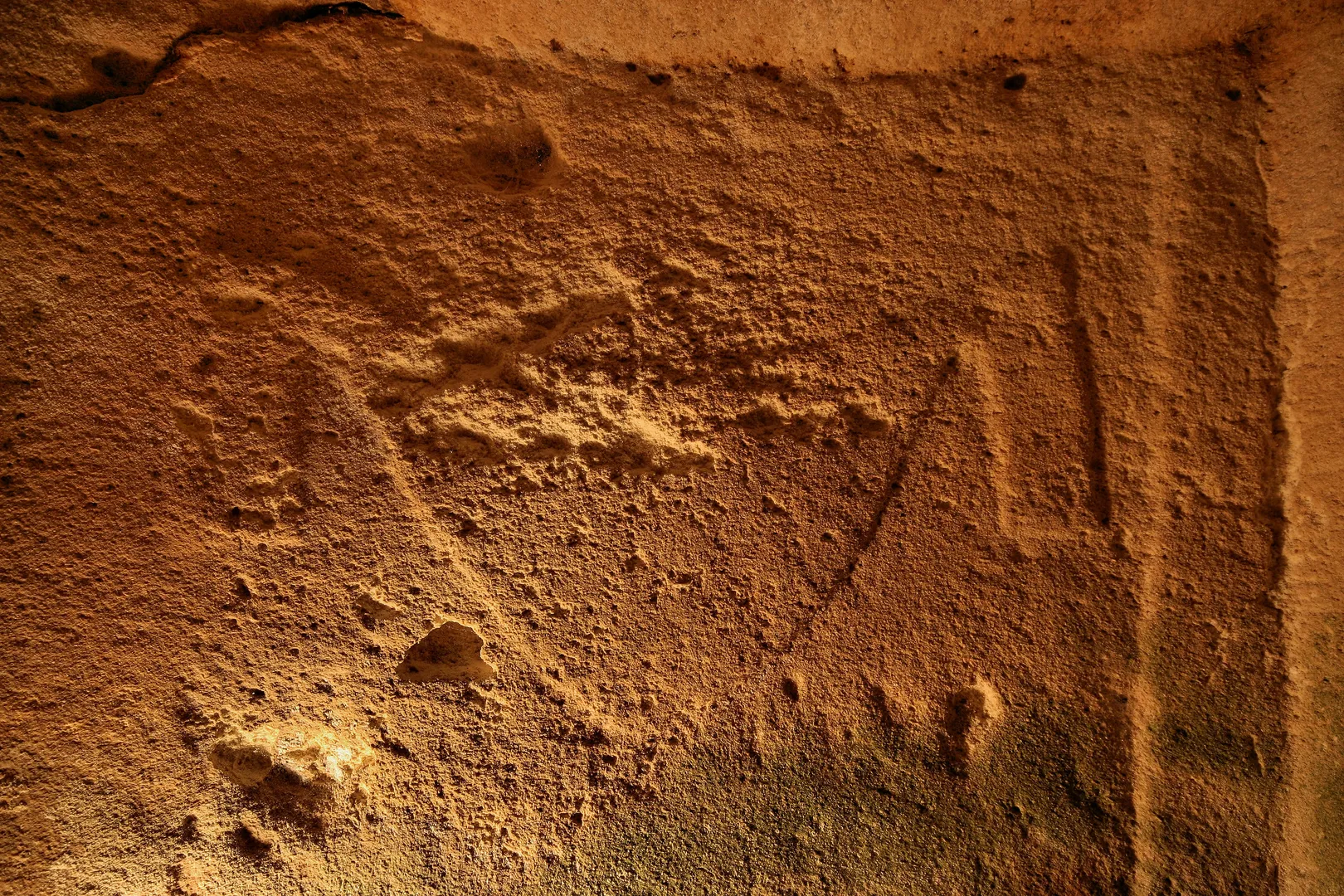
Necropolis of Mesu 'e Montes
Eighteen domus de janas carved into the rock at the foot of Monte Mamas, rich in symbols and ancient funeral rituals.
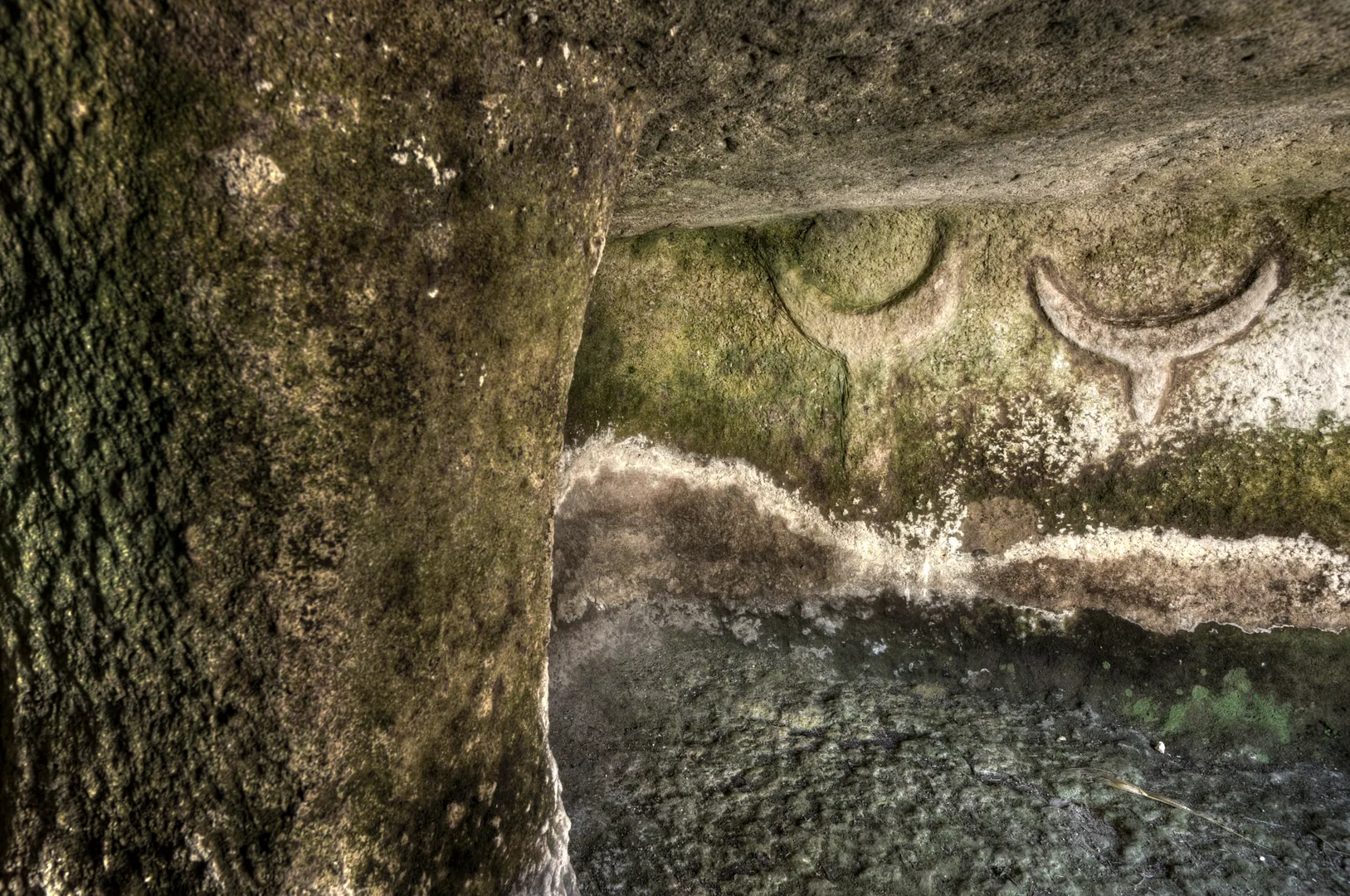
Necropolis of Su Crucifissu Mannu
One of the largest necropolises in northern Sardinia, with domus de janas adorned with symbols related to the cult of the dead.
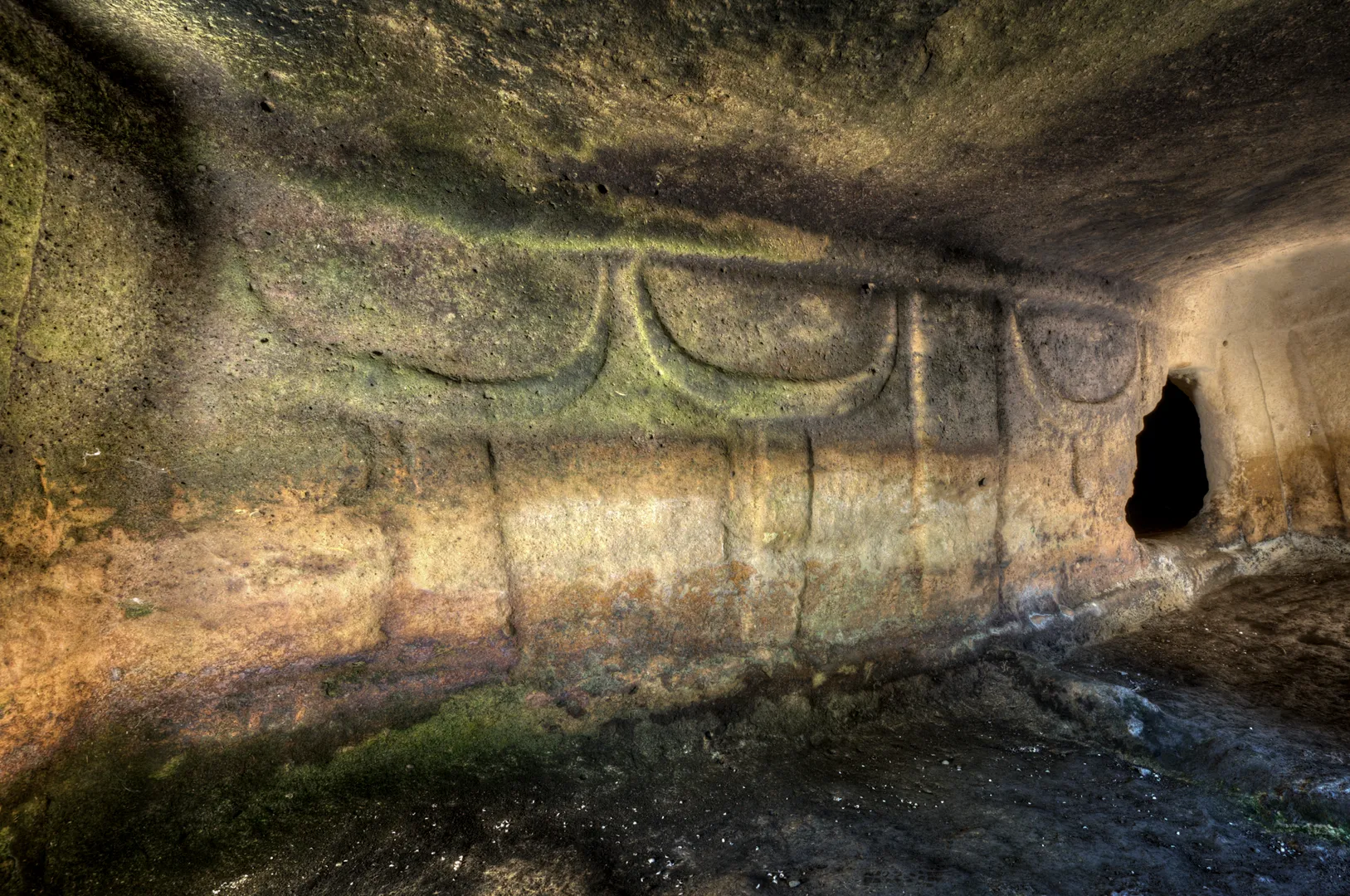
Domus de janas of Orto del Beneficio parrocchiale
Two domus de janas carved into the limestone rock, testimony of Neolithic funeral rituals in the heart of the town of Sennori.
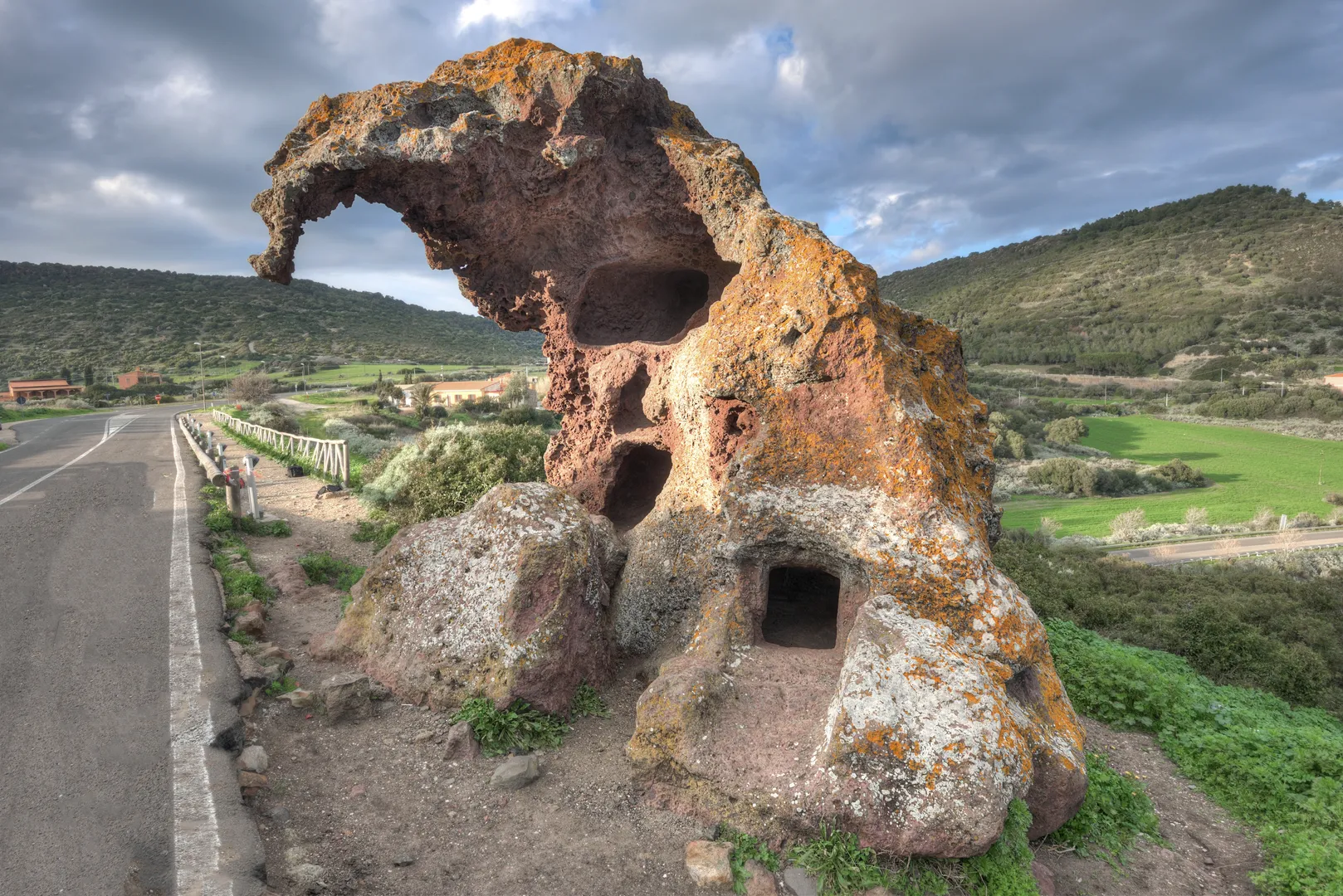
Domus de Janas of Roccia dell'Elefante
Famous for its natural shape resembling an elephant, the rock hosts two domus de janas carved into the volcanic stone.
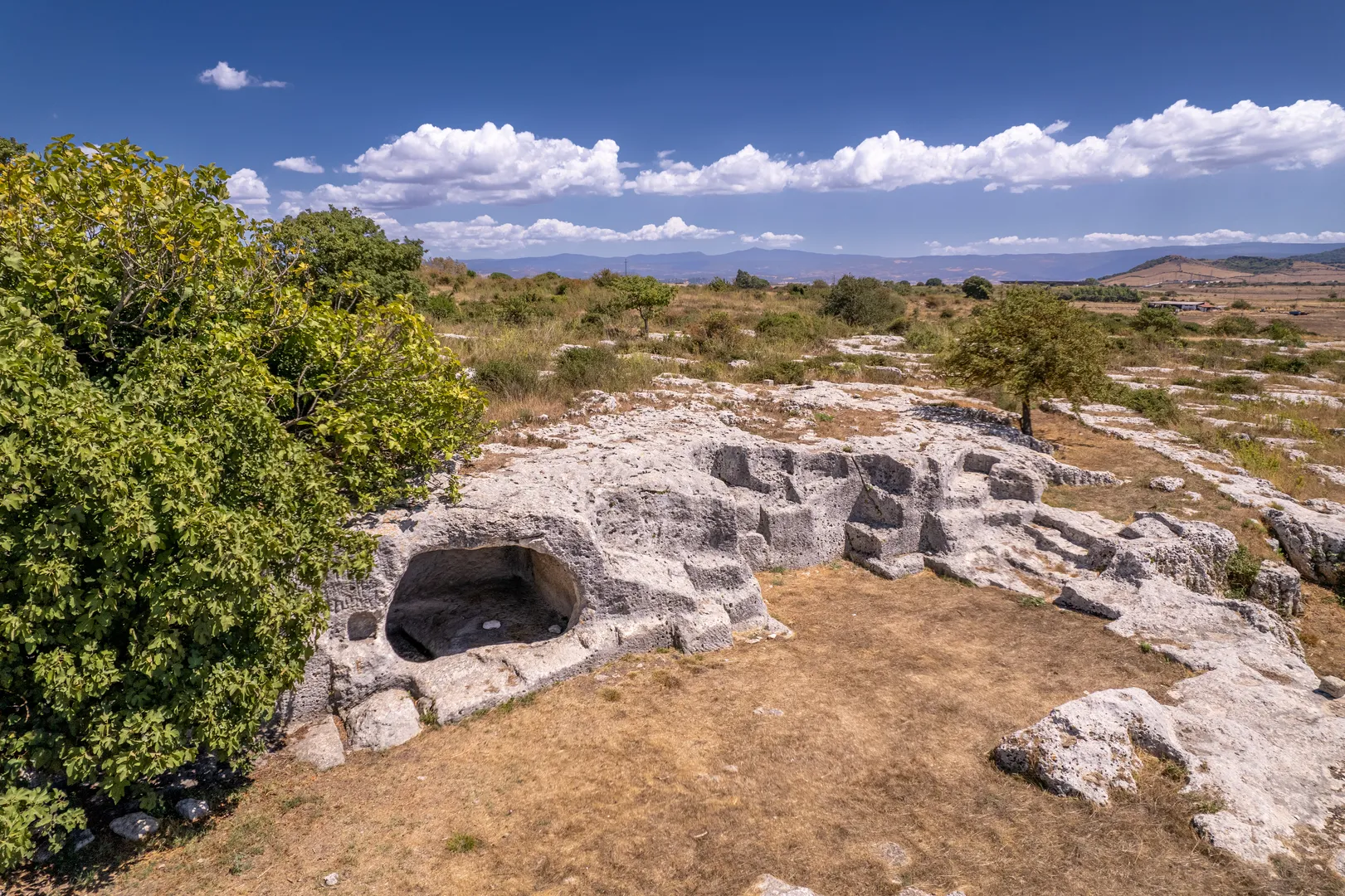
Petroglyph Park A
An open-air museum with rock carvings depicting symbols and scenes of prehistoric daily life.
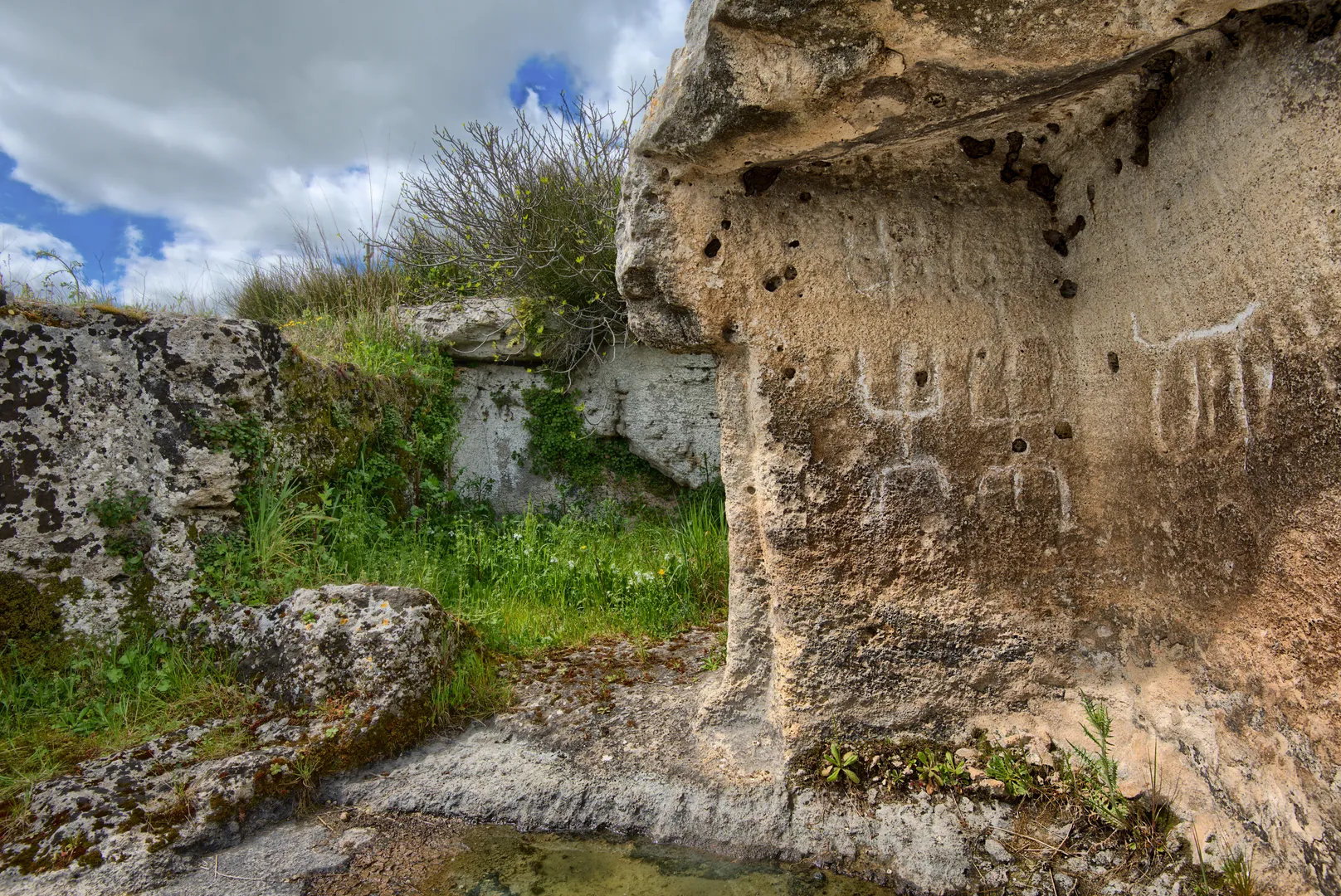
Petroglyph Park B
Nine rock-cut domus de janas and the renowned Branca Tomb, adorned with rare anthropomorphic petroglyphs of strong ritual significance.
-necropoli-di-Sant_-Andrea-Priu.CepOTTcP_Z7VHCf.webp)
Necropolis of Sant'Andrea Priu
One of the most monumental necropolises in Sardinia, with large domus de janas and richly decorated interiors.
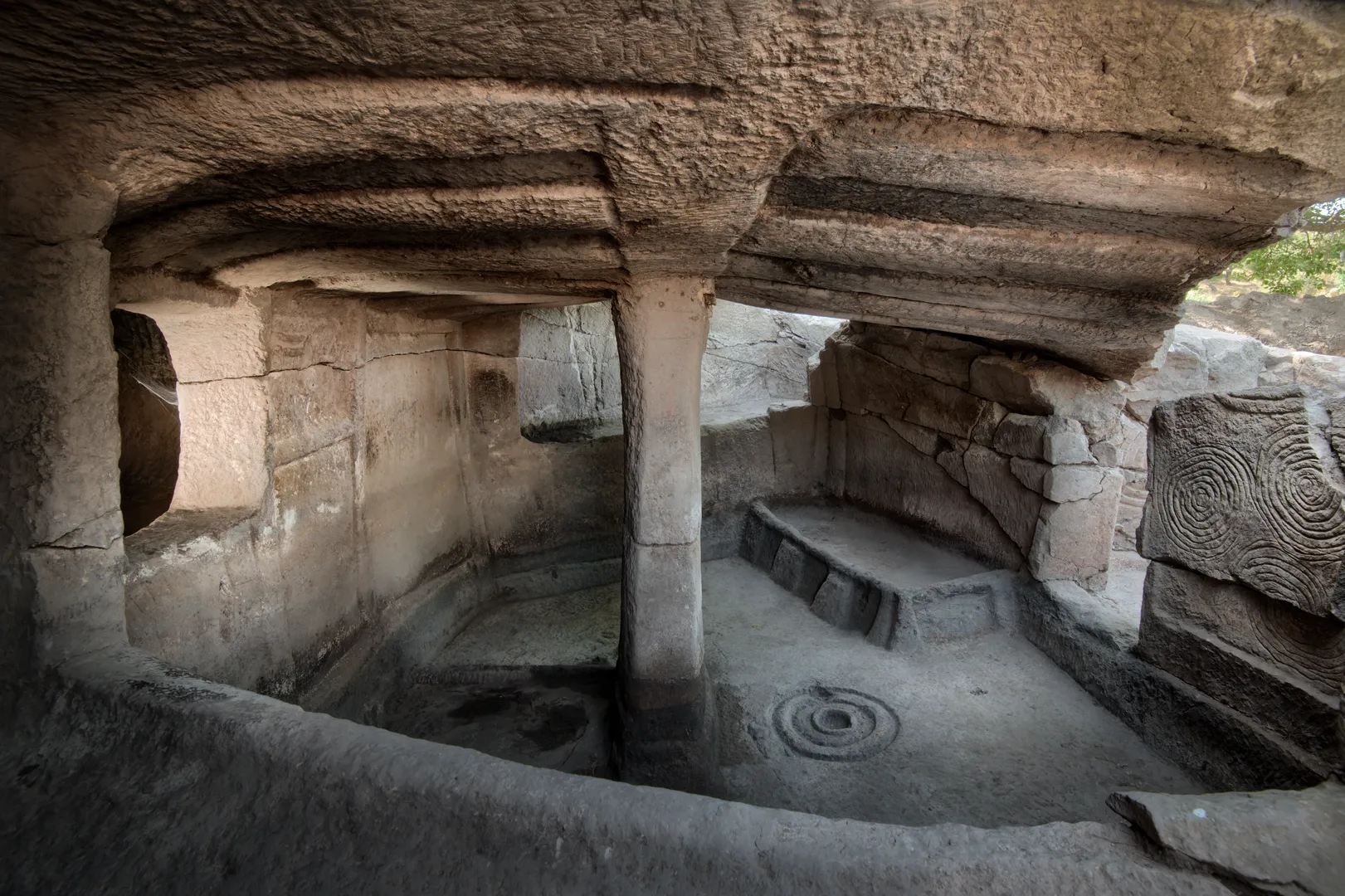
Necropolis of Sa Pala Larga
Large funerary chambers carved into the basalt rock, with traces of wall paintings and symbolic carvings.
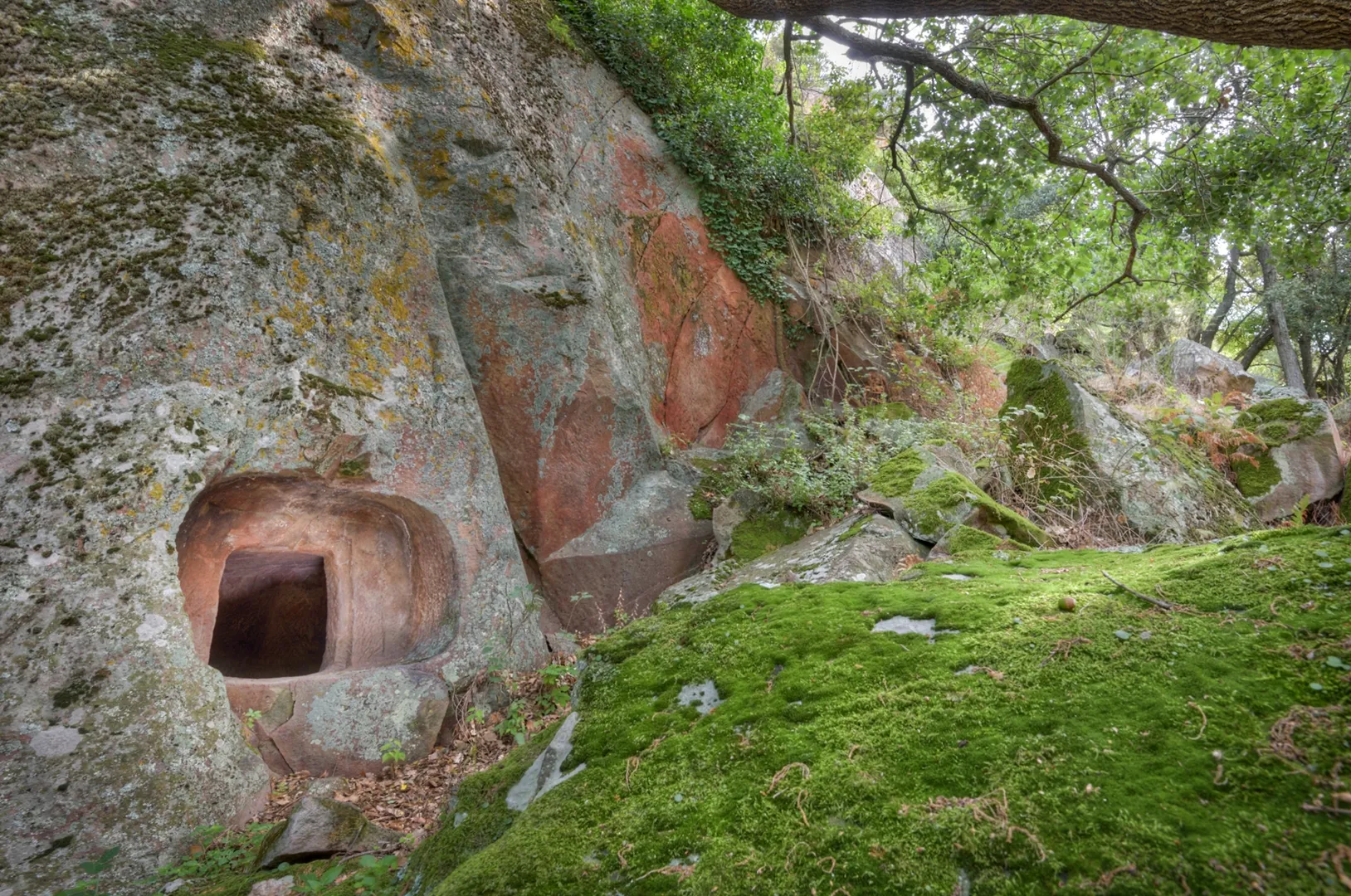
Necropolis of Sos Furrighesos
Seven domus de janas adorned with rock carvings, immersed in the woods of Anela, witnesses of ancient funeral cults.
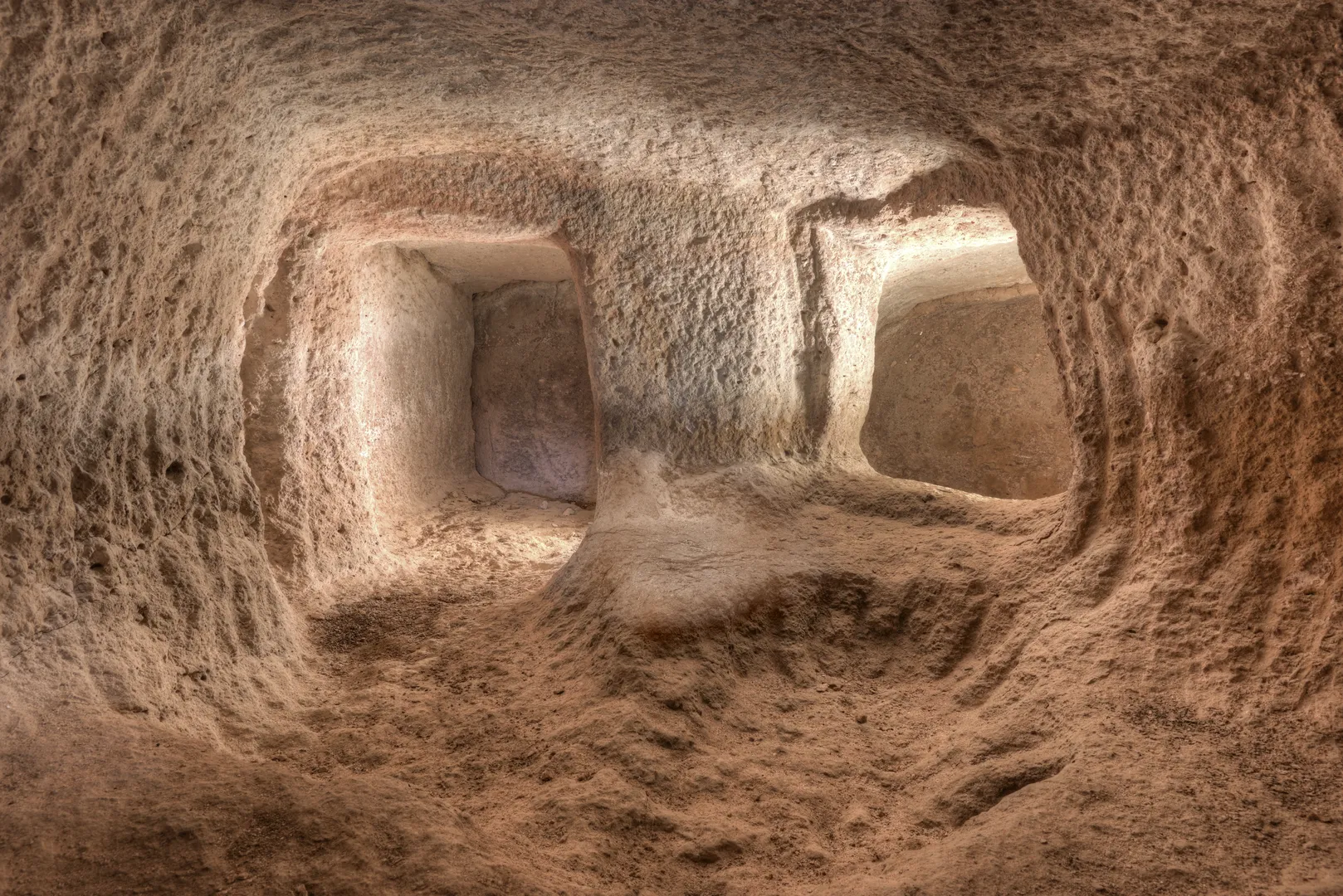
Necropolis of Ispiluncas
Hypogeic tombs carved into the limestone rock with symbolic decorations, witnesses of the spirituality of pre-Nuragic communities.
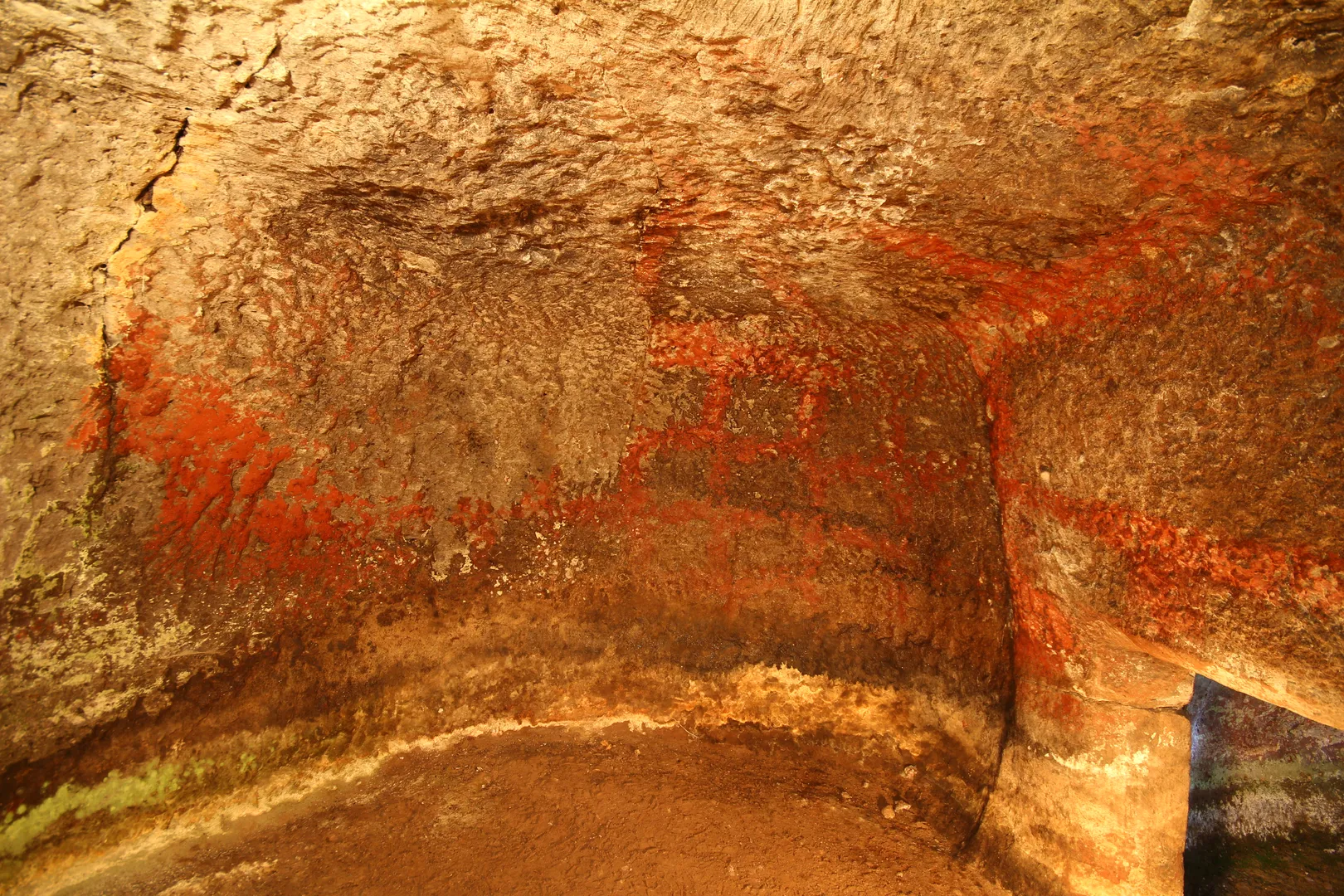
Necropolis of Mandras or Mrandas
Hypogeic tombs carved into the rock during the Neolithic, with funerary chambers that testify to ancient collective rituals.
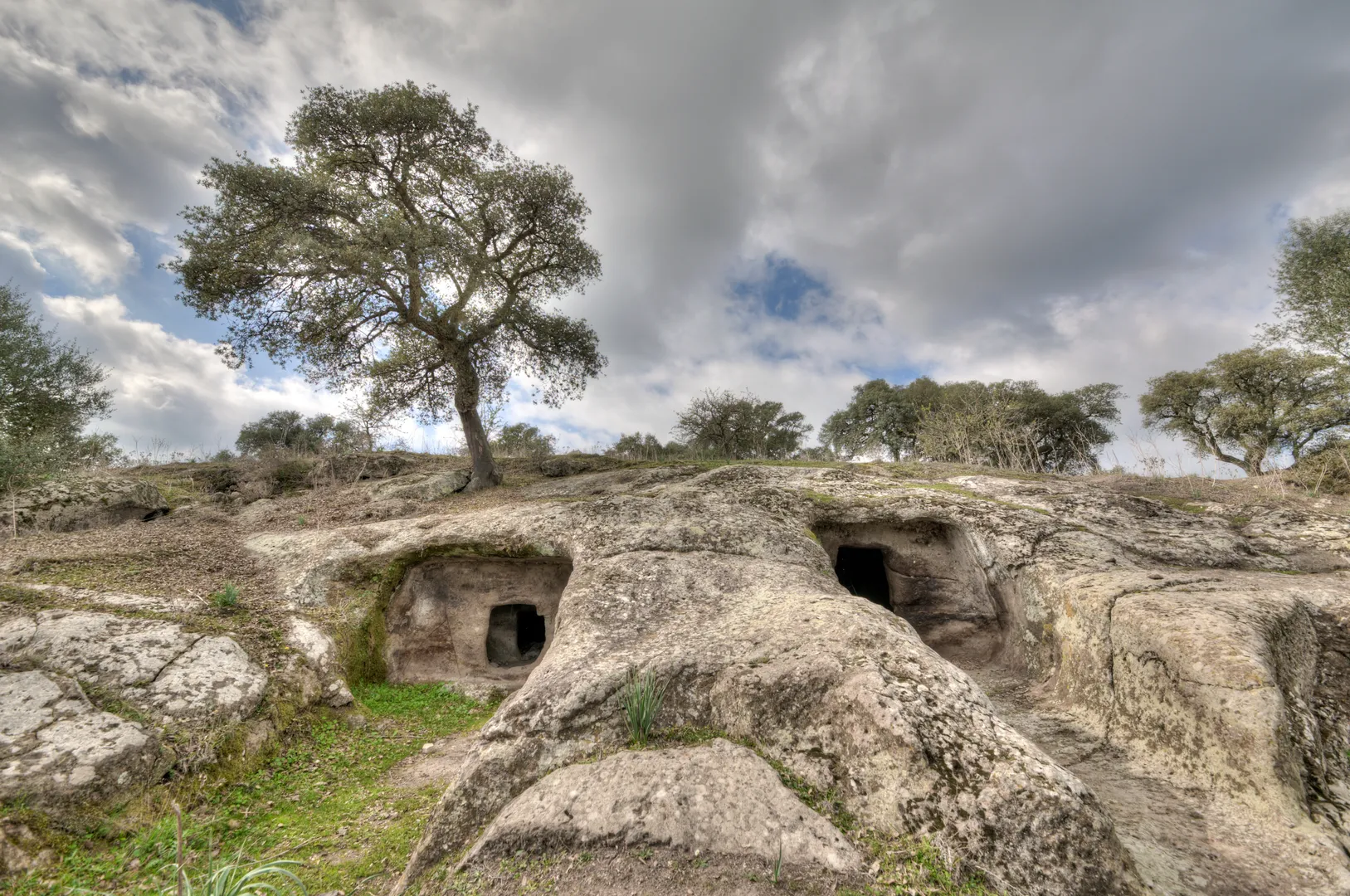
Necropolis of Brodu
Pre-Nuragic funerary complex with domus de janas used as collective burials during the Neolithic.
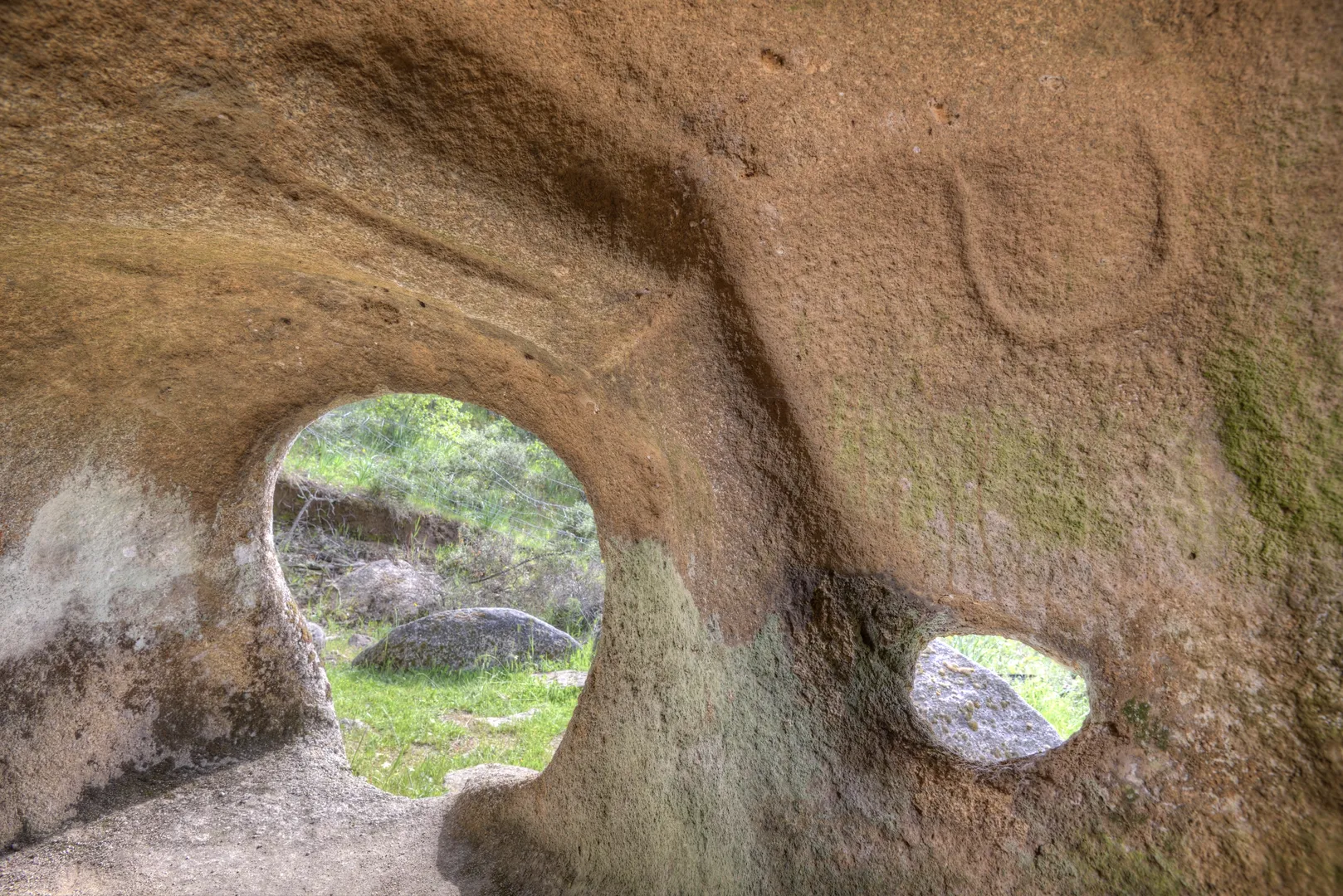
Necropolis of Istevéne
Hypogeic tombs with symbolic decorations carved into the rock, linked to pre-Nuragic funeral cults.
Archaeological Park of Pranu Mutteddu
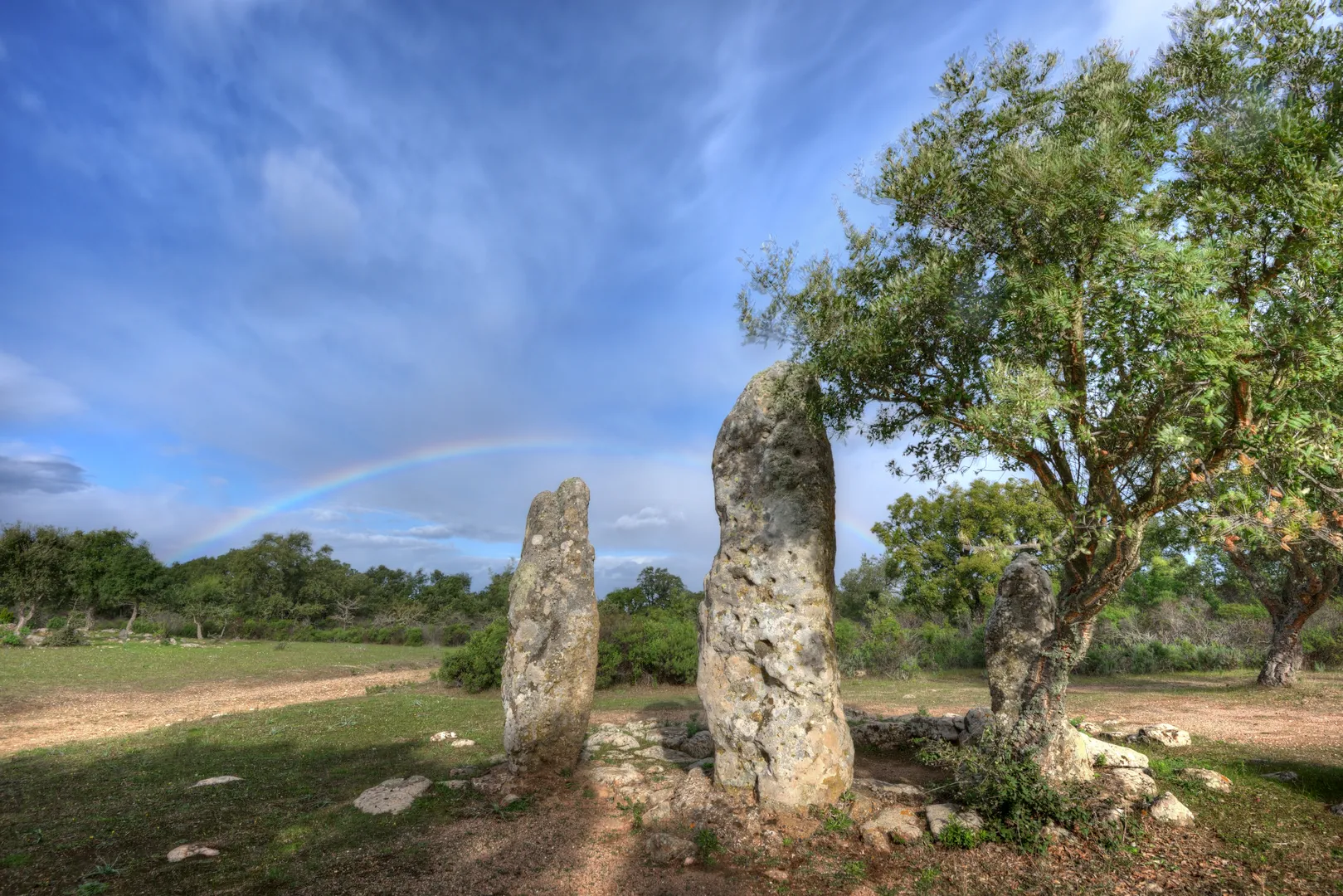
One of the largest megalithic complexes in Sardinia, with aligned menhirs and prehistoric tombs immersed in the Mediterranean scrub.
-Montessu-T.-delle-Spirali-30-(AC).DI4hRKlX_Z21Xwbk.webp)
Necropolis of Montessu
One of the largest necropolises in Sardinia, with domus de janas carved into the rock and symbolic decorations related to funeral cults.
The Domus de Janas in the Media
The Domus de Janas are at the center of national and international media attention. Documentaries, television features, articles, and interviews tell their millenary story, bringing to the wider public the universal value of these monuments. A heritage that, through the images and voices of the media, continues to be known and recognized around the world.


News from the Past, Experiences in the Present
History does not live only in books or among ancient stones: it is a heritage to be discovered and shared every day. In this section you will find events, exhibitions, and initiatives dedicated to the prehistory of Sardinia and to the Domus de Janas, recognized as UNESCO World Heritage.
From conferences to open excavations, from re-enactments to educational workshops: each event is an invitation to connect with a millenary legacy that continues to speak to the present.